
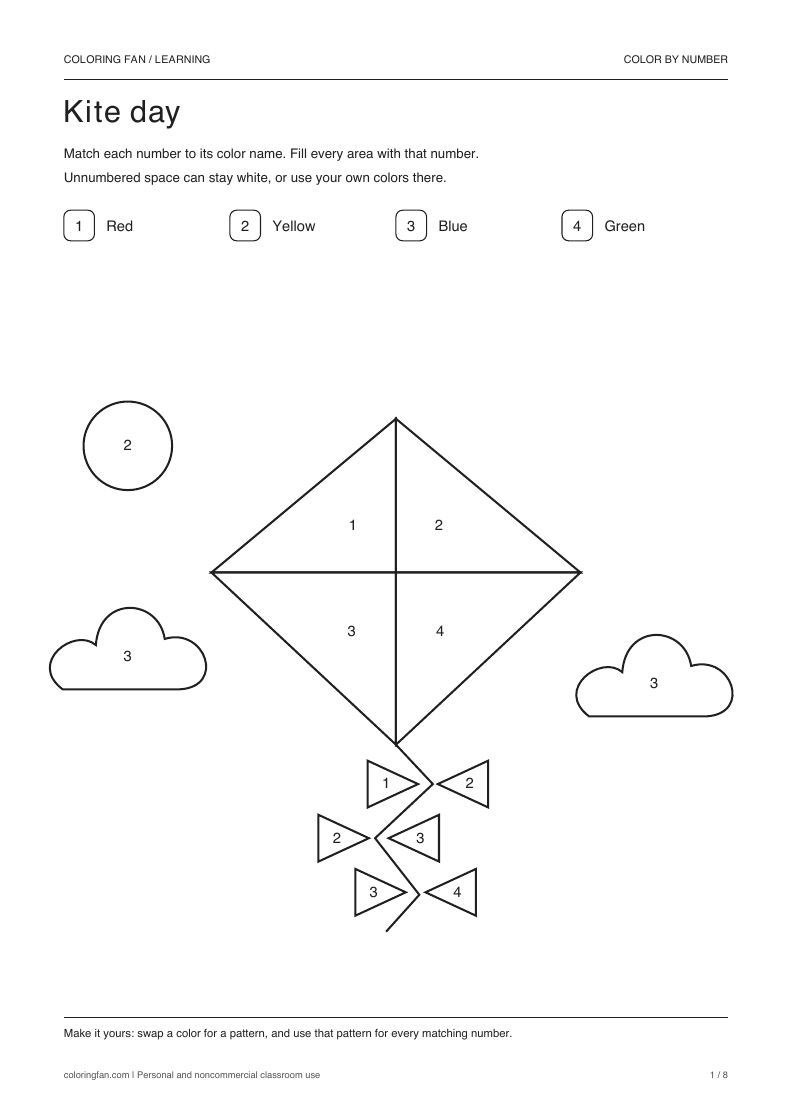
 4-color starter · 13 areas
Kite day
A four-panel kite, three tail bows, a sun and two clouds. Four colors and broad spaces.
Find the answer reference ↓Eight original geometric pictures with four to eight named colors, closed numbered areas and complete picture answer references.
8 activity worksheets + 4 answer pages · 12 pages in each book · Free, no account
Choose individual worksheets ↓The eight subjects are a kite, sailboat, flower box, rocket, butterfly, cupcake, robot and turtle. Each uses an individually composed arrangement of closed vector shapes, with broad areas and smaller details.
Color names are written beside numbers, so the key does not depend on distinguishing colored swatches. For another approach, assign a pattern to each number—dots, stripes or zigzags—and keep that pattern consistent. A helper can read the instructions or identify a region aloud.
Choose A4 or US Letter to match your printer paper. The individual files contain one activity each. The complete books also include all printable answer references.
4-color starter · 13 areasA four-panel kite, three tail bows, a sun and two clouds. Four colors and broad spaces.
Find the answer reference ↓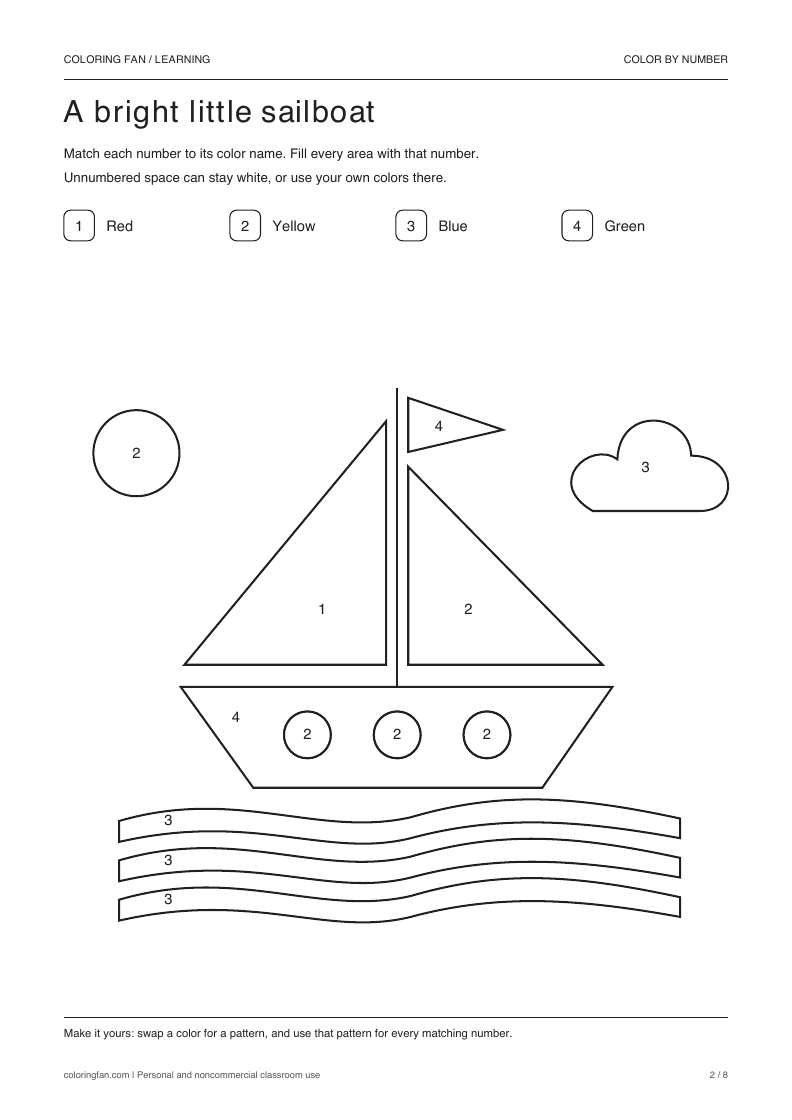 4-color starter · 12 areas
Two sails, a flag, a porthole hull and three rolling wave bands. Four colors with different region sizes.
Find the answer reference ↓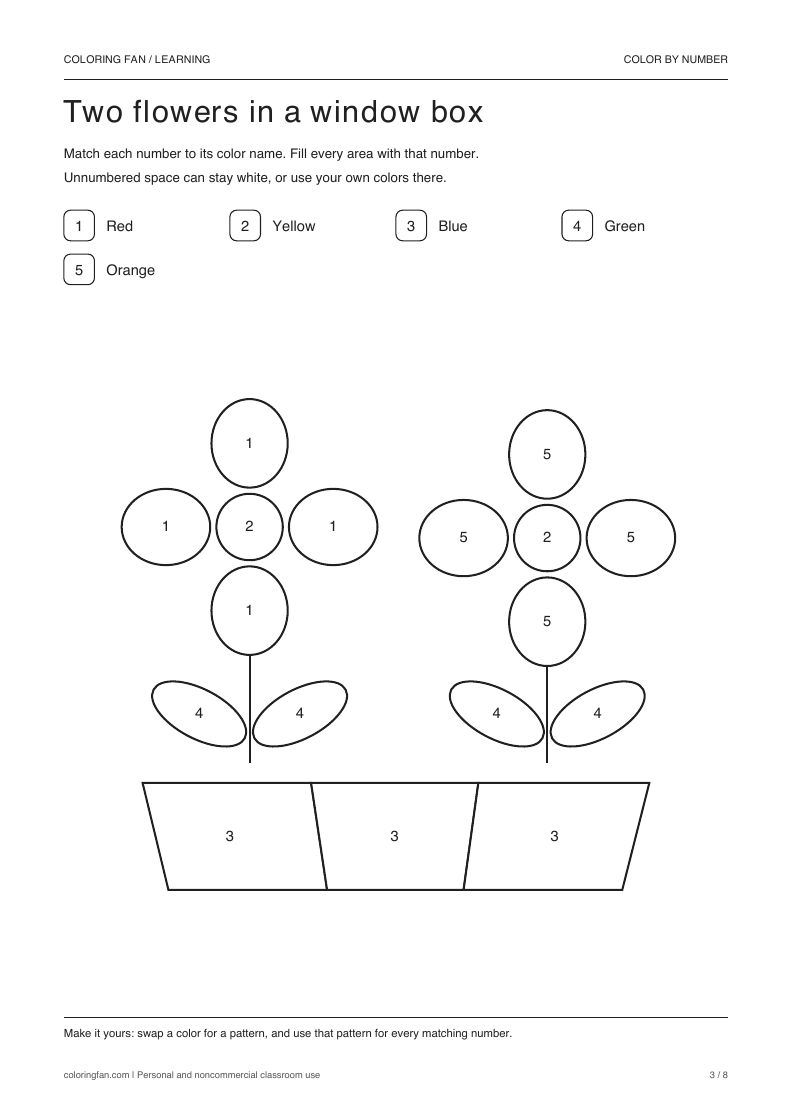 5-color growing set · 17 areas
Two flowers with separate petals, centers, leaves and a three-panel planter. Five colors, with repeated matches.
Find the answer reference ↓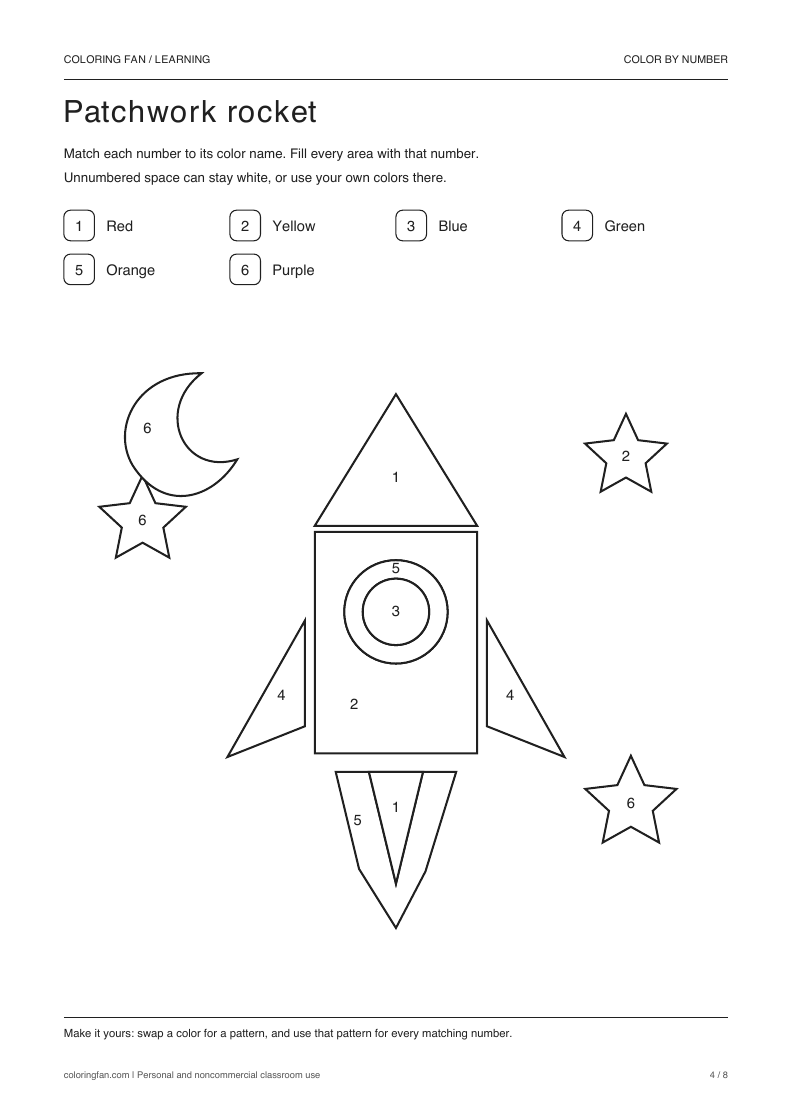 6-color picture · 12 areas
A rocket with a round window, fins, nested flame shapes, a moon and stars. Six colors and a mix of wide and narrow regions.
Find the answer reference ↓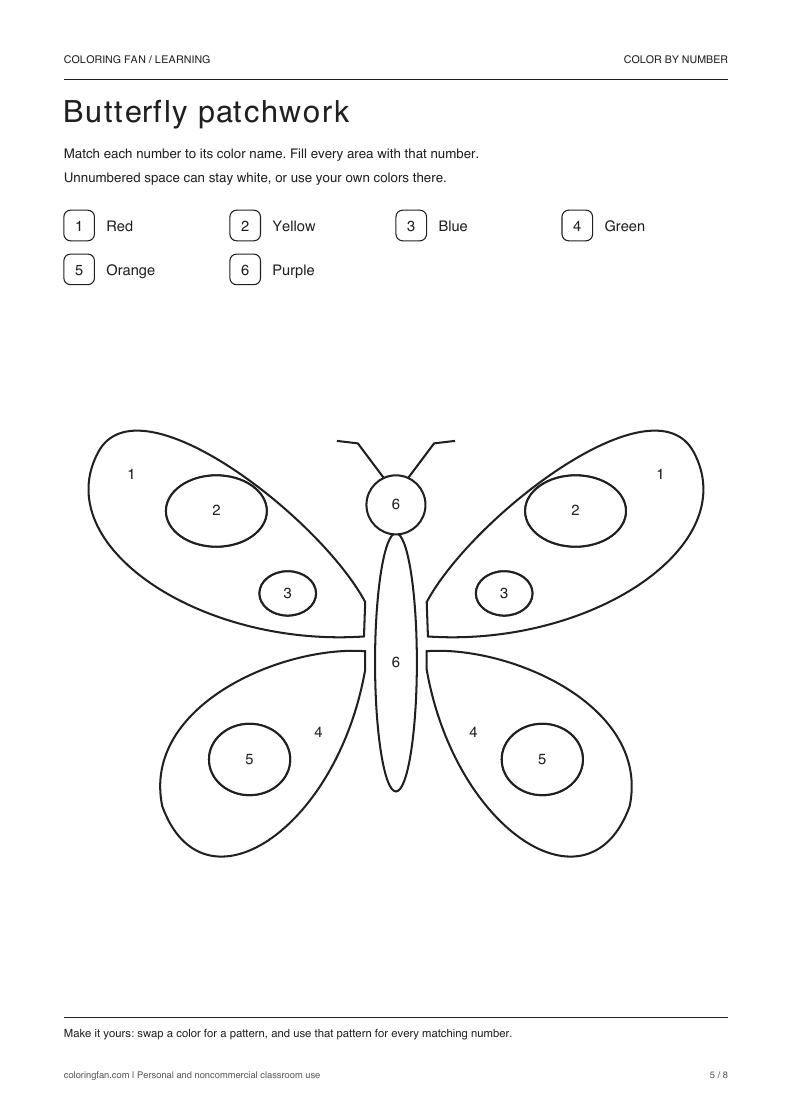 6-color picture · 12 areas
Four large wings with inset patches and a narrow body. Six colors; match the repeated numbers on both sides.
Find the answer reference ↓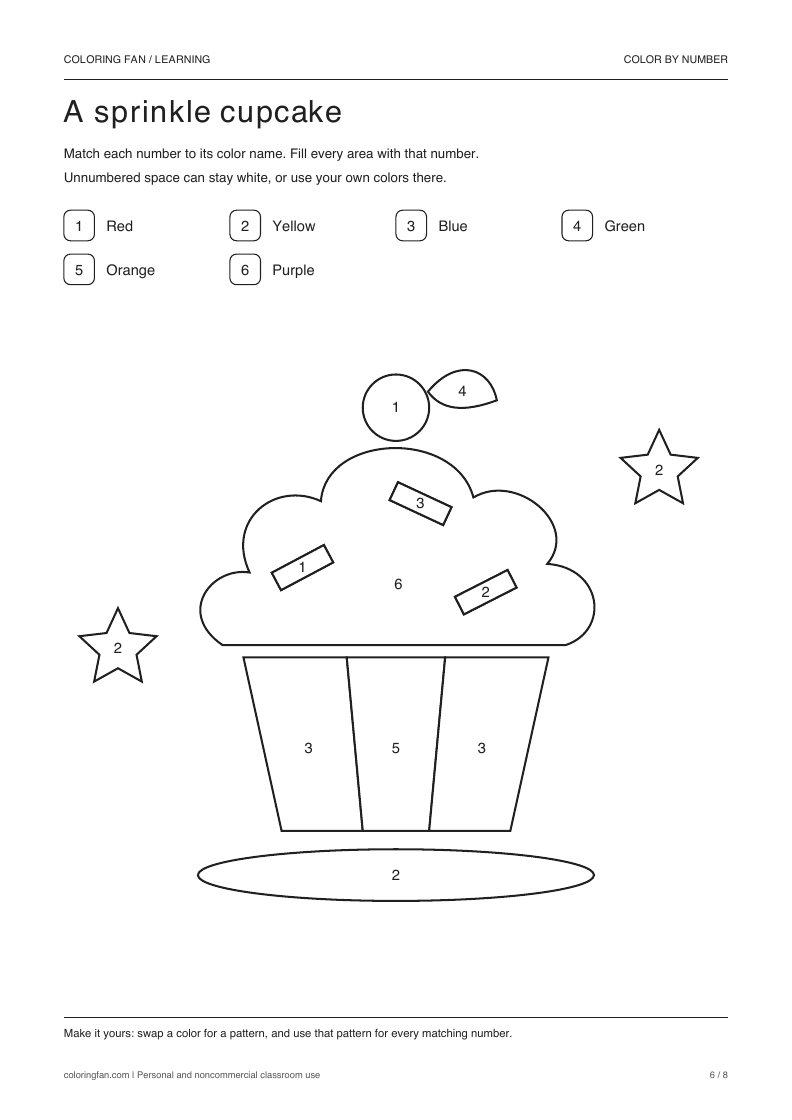 6-color picture · 12 areas
A broad frosting top with three inset sprinkles, a striped cake cup, cherry, leaf and stars. Six colors.
Find the answer reference ↓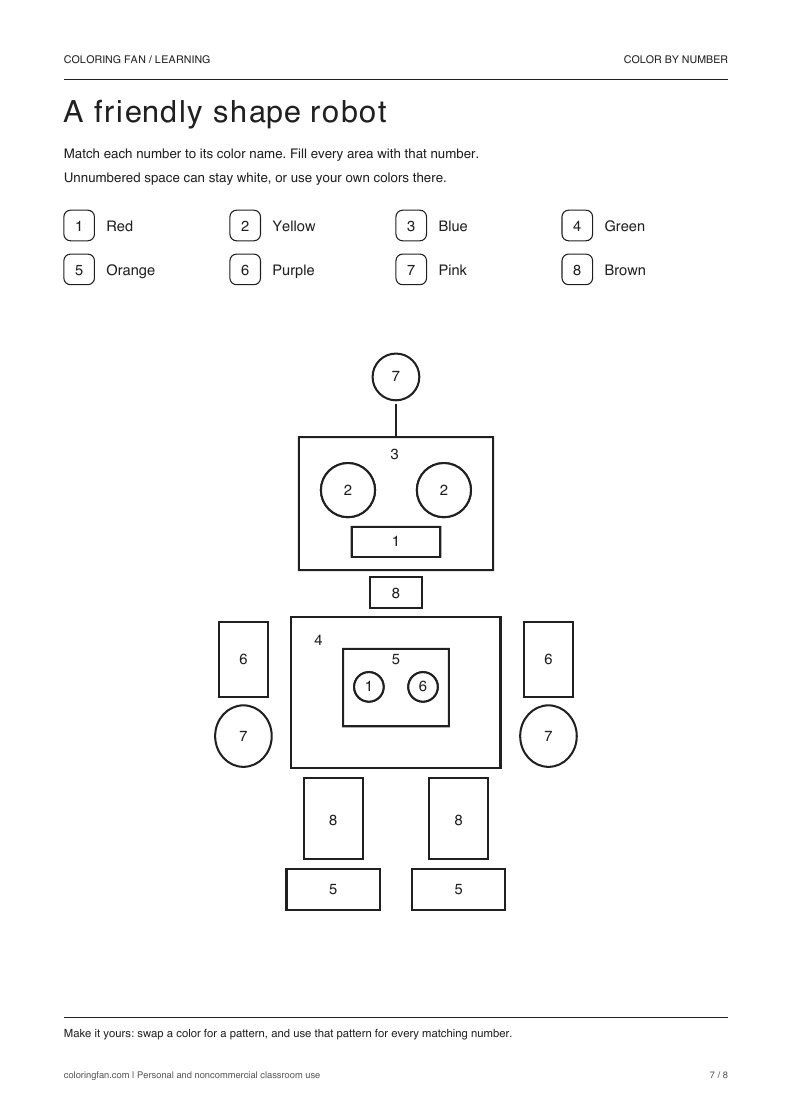 8-color challenge · 18 areas
A robot built from rectangles, circles and eight color matches. Smaller controls add a more detailed step.
Find the answer reference ↓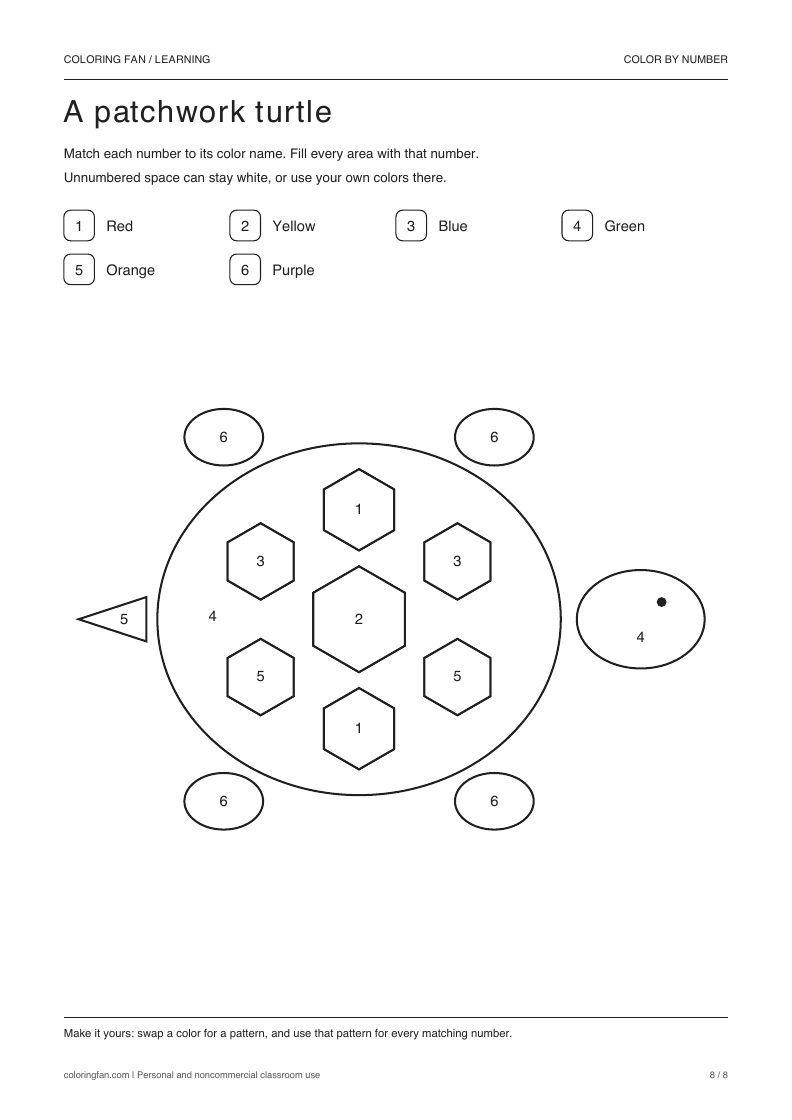 6-color picture · 14 areas
A turtle with seven separated shell patches, four feet, a head and tail. Six colors with large and small areas.
Find the answer reference ↓All answer references are in the printable books. The same answers are available below in text and picture form.
There are 13 numbered areas. This preview is taken from the answer pages in the complete book. Numbered areas use the key below; unnumbered space is open to your own choices.
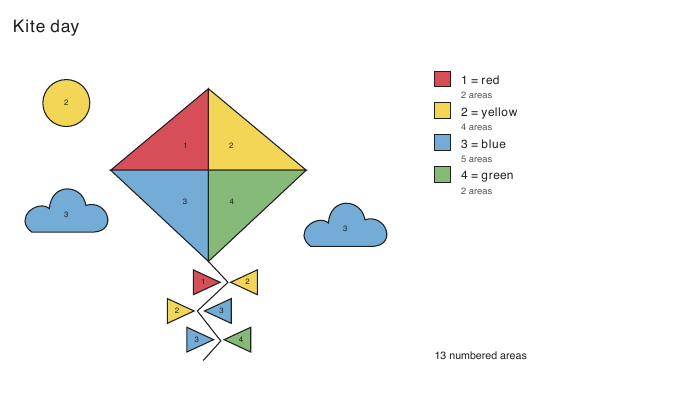
You can use a different set of colors or a pattern key. Keep each number’s choice consistent; the printed color names are a starting key, not a rule for realistic colors.
There are 12 numbered areas. This preview is taken from the answer pages in the complete book. Numbered areas use the key below; unnumbered space is open to your own choices.
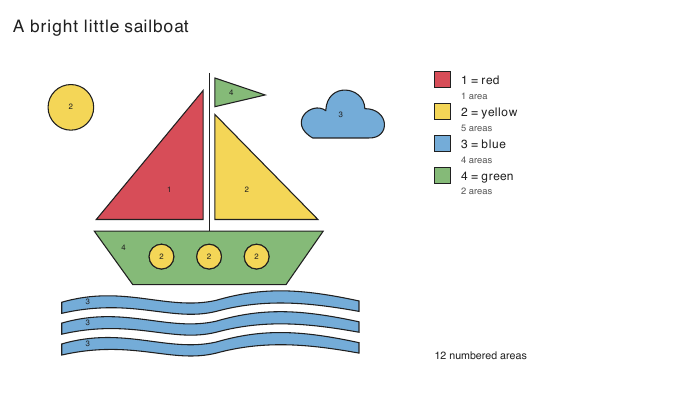
You can use a different set of colors or a pattern key. Keep each number’s choice consistent; the printed color names are a starting key, not a rule for realistic colors.
There are 17 numbered areas. This preview is taken from the answer pages in the complete book. Numbered areas use the key below; unnumbered space is open to your own choices.
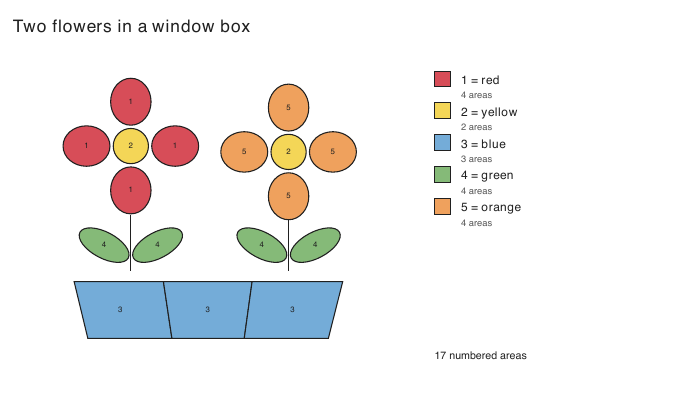
You can use a different set of colors or a pattern key. Keep each number’s choice consistent; the printed color names are a starting key, not a rule for realistic colors.
There are 12 numbered areas. This preview is taken from the answer pages in the complete book. Numbered areas use the key below; unnumbered space is open to your own choices.
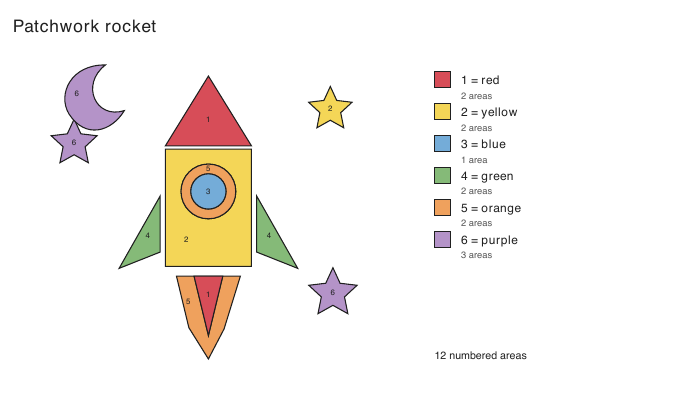
You can use a different set of colors or a pattern key. Keep each number’s choice consistent; the printed color names are a starting key, not a rule for realistic colors.
There are 12 numbered areas. This preview is taken from the answer pages in the complete book. Numbered areas use the key below; unnumbered space is open to your own choices.
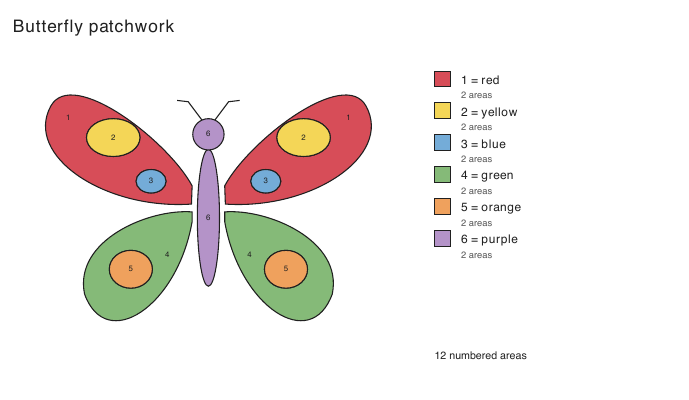
You can use a different set of colors or a pattern key. Keep each number’s choice consistent; the printed color names are a starting key, not a rule for realistic colors.
There are 12 numbered areas. This preview is taken from the answer pages in the complete book. Numbered areas use the key below; unnumbered space is open to your own choices.
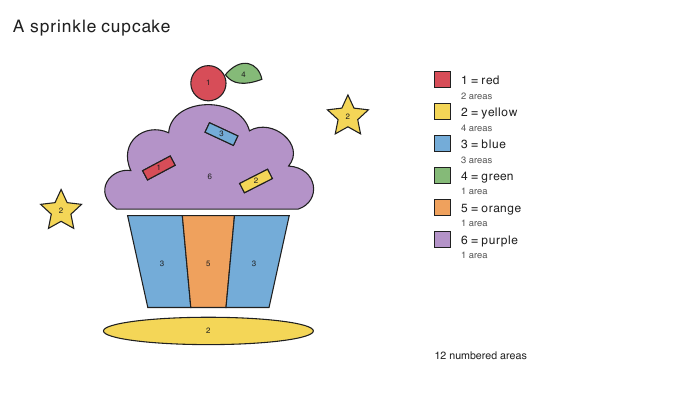
You can use a different set of colors or a pattern key. Keep each number’s choice consistent; the printed color names are a starting key, not a rule for realistic colors.
There are 18 numbered areas. This preview is taken from the answer pages in the complete book. Numbered areas use the key below; unnumbered space is open to your own choices.
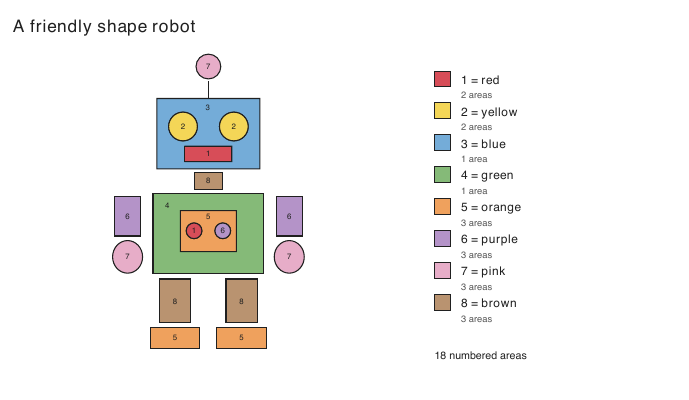
You can use a different set of colors or a pattern key. Keep each number’s choice consistent; the printed color names are a starting key, not a rule for realistic colors.
There are 14 numbered areas. This preview is taken from the answer pages in the complete book. Numbered areas use the key below; unnumbered space is open to your own choices.
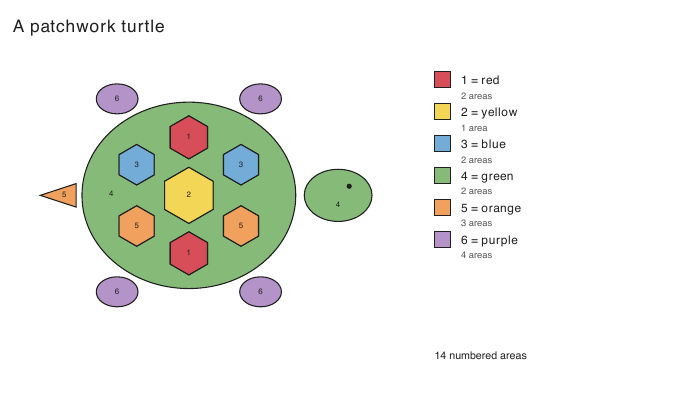
You can use a different set of colors or a pattern key. Keep each number’s choice consistent; the printed color names are a starting key, not a rule for realistic colors.
Use the PDF that matches the paper in your printer, select one page per sheet, and inspect the print preview. The first 8 book pages are activities; the final 4 are answers. You can print activity pages alone and keep the reference on screen.
These are original creative practice activities, separate from the illustrated coloring-page collection. They are not a tested curriculum and do not promise a particular learning outcome. Read instructions aloud, name a shape together, say a match instead of drawing it, or adapt the activity to the person using it.
The visual worksheets need sighted access or assistance. The PDFs are not fully tagged screen-reader documents; use the text instructions and answer references on this page as an alternative source of the task information.
Free for personal and noncommercial classroom or community use. Usage terms · Printing help · Explore the shape book · Counting 0–20
Created and checked September 28, 2026. Exact task data, region geometry, PDF files and rendered pages were checked digitally. Physical printer output and individual learning outcomes have not been tested.